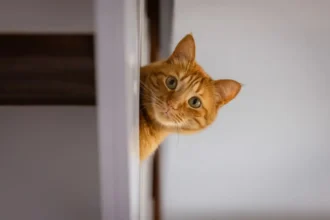
Indoor cats consistently live longer than outdoor cats, and this is supported by veterinary research and pet care statistics worldwide. While outdoor life may seem exciting and natural for cats, it exposes them to dangers that significantly reduce life expectancy. Indoor cats often live between 12 to 20 years, while outdoor cats commonly have much shorter lifespans due to accidents, diseases, predators, and environmental hazards.
One of the biggest reasons indoor cats live longer is protection from traffic accidents. Roads are among the greatest threats to outdoor cats. Even cats with strong instincts cannot always predict moving vehicles. Many outdoor cats suffer fatal injuries from traffic every year. Indoor cats avoid this risk entirely because they remain in a controlled environment.
Exposure to infectious diseases is another major concern. Outdoor cats can come into contact with stray animals carrying serious illnesses such as feline leukemia virus, feline immunodeficiency virus, and respiratory infections. These diseases can shorten a cat’s life significantly and often spread through fights, bites, and close contact with infected animals. Indoor cats have far less exposure to these threats.
Predators also create serious risks for outdoor cats. Depending on the region, cats may encounter dogs, foxes, coyotes, birds of prey, and even aggressive humans. These dangers can result in severe injuries or death. Indoor cats are safe from these unpredictable encounters.
Weather conditions also affect outdoor cat health. Extreme heat, freezing temperatures, heavy rain, and storms can weaken a cat’s immune system. Prolonged exposure can lead to dehydration, hypothermia, and other life-threatening conditions. Indoor cats enjoy climate-controlled environments that protect them year-round.
Nutrition is generally better managed indoors. Owners can monitor food intake, ensure a balanced diet, and provide fresh water consistently. Outdoor cats may rely on scavenging or hunting, which often leads to inconsistent nutrition and possible ingestion of harmful substances.
Parasites are another issue. Outdoor cats are more likely to suffer from fleas, ticks, worms, and mites. These parasites can cause discomfort, skin infections, and transmit dangerous diseases. Indoor cats are less likely to experience severe infestations when properly cared for.
Indoor cats also benefit from regular veterinary care. Owners can monitor changes in behavior, appetite, and health more closely. Early detection of medical issues greatly improves treatment success. Outdoor cats may hide symptoms until illnesses become severe.
Some people worry indoor cats become bored, but enrichment solves this problem. Cat trees, toys, scratching posts, puzzle feeders, and window perches can create stimulating indoor environments. Interactive play sessions help satisfy hunting instincts while keeping cats mentally and physically active.
Many veterinarians recommend keeping cats indoors because it offers the safest and healthiest lifestyle. Indoor living provides security, comfort, and longevity while still allowing cats to live happy and fulfilling lives through proper enrichment and attention.